Move or replace electricity assets
Move or replace electricity assets
If you’re planning construction, renovations or changes to your property, you may need to move or replace electricity assets. This page explains what’s involved and how to get started.
Common reasons for relocating electricity assets include:
- Making room for a driveway or crossover.
- Improving safety on site.
- Relocating assets as part of renovations.
- Ensuring minimum clearances when undertaking building works.
- Improving the overall appearance of your property.
You can apply to:
- Move or replace electricity assets on your property, such as meters and point of attachment for overhead supply lines.
- Move network electricity assets, such as service pits, power poles, kiosk, overhead lines in the street and underground cables.
How you apply depends on the type of electricity asset you need to move. The sections below explain what to do next.
For detail technical requirements regarding electrical clearance distances, visit our Registered Electrical Contractor Resources page.
Moving or replacing electricity assets on private properties
When you move or replace customer-owned electricity assets on your property this is called an alteration. Some examples of an alteration might be:
Standard alterations
- Moving a meter to a new position.
- Relocating a point of attachment.
Complex alterations
This charge is for alteration services of a complex nature, including but not limited to the following services:
- changes from overhead to underground
- changes to group metering panel
- phase upgrades
- CT metering services.
Complex alternations may also apply when multiple services are completed during the same site visit. For example, a customer requests a metering panel replacement and moving a meter to a new position in the same visit.
Costs will vary depending on whether the requested work is considered a standard or complex alteration.
Network electricity assets on private properties
Even if an electricity asset is on a private property, it may still be a network asset. These include power poles, private electric lines, and kiosk substations. If you need to move these assets, follow the process in the Moving network electricity assets section on this page.
How to apply
Alteration applications can only be submitted by a qualified registered electrical contractor (REC). All works require a Certificate of Electrical Safety.
You can submit your application through our online portal, eConnect.
Once registered and logged in:
- Select Submit Connection Request.
- Select Alteration Request.
- Complete and submit the form.
New to eConnect? Visit our How to use eConnect support article to learn how to access the portal and submit a request.
Costs and timeframes
Costs depend on the scope of work required, and whether it is completed during or outside business hours or the number of the times we need to visit the site. Prices typically range from $600 to $4,500. When you apply in eConnect, you’ll be provided an indicative cost for the works requested.
All works will be completed via an appointment and most works take between 3-8 weeks to complete, depending on how complex the job is. We recommend applying early to allow time to assess and complete the works.
Moving network electricity assets
If you need to move or alter the arrangement of any network owned electricity assets, such as our poles, existing electricity pits, kiosks or overhead lines in the street, you can submit an asset relocation request.
Before you apply, make sure you have:
- your project location and details of the proposed work
- contact details
- a site plan or building layout plan
- council drawings or approvals (if applicable)
- any relevant photos that will help with our assessment.
If you are looking to move or modify street lighting, contact the local council or VicRoads in the first instance.
If you plan to move an electricity pole, the new location needs to be at least one metre clear of the existing driveway crossover. The final location is subject to design requirements.
Relocating our network electricity assets can affect other utilities or services, such as trams, street lighting or telecommunications. If this occurs, you’ll need to liaise with those authorities.
How to apply
You can submit your application through our online portal, mySupply.
Once registered and logged in:
- Select Move or Remove Our Equipment.
- Select Moving our Equipment.
- Complete and submit the form.
An application fee will be payable upon submission. Application fees are based on the services required and recover the costs incurred to review the application and provide you with an offer to undertake the works.
After you have submitted your application, we will review your request and contact you with next steps.
Costs and timeframes
The cost for us to complete the works will be provided to you once we have assessed your request. Depending on the complexity of the work involved, we may need to undertake a preliminary design prior to issuing you with a cost for completing the works.
You can use our Quick Calculator tool to obtain an indicative cost of moving existing poles or service pits up to 10m. To get a confirmed cost, you’ll need to submit an application through our mySupply portal. We’ll then review your request and work out what’s involved.
Project timeframes can vary depending on a number of factors, including:
- project complexity
- project location, and accessibility factors
- third party engagement
- council requirements and approval processes
- soil testing requirements.
As a rough guide, our typical timeframes are:
| Activity | Typical timeframe |
|---|---|
| Preparation of preliminary design offer | 4 weeks |
| Preliminary design | 12 weeks |
| Soil testing | 4–6 weeks |
| Preparation of firm offer | 4 weeks |
| Detailed design activities | 6 weeks |
| Council consents | 4–6 weeks |
| Construction | 10–14 weeks |
We will provide you a specific timeline for your project in the offer you receive from us.
Sag and sway assessments
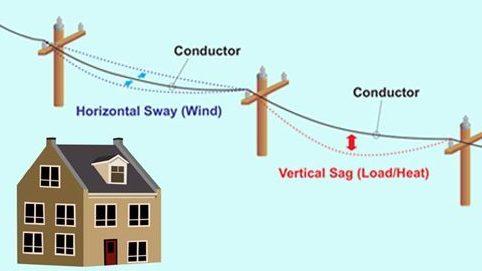
If your works fall within a powerline’s protected safety zone, you’ll need to provide us sag and sway building overlay drawings. This is to ensure safe clearances are maintained between buildings and overhead powerlines at all times.
It’s important to consider overhead powerlines early in your planning and design. If they’re not considered early, it may lead to expensive consequences and delays to your project. It’s your responsibility to ensure your development complies with the regulations before construction begins. Buildings that don’t comply pose a serious safety risk and are in breach of the law.
The minimum safety clearances are set out in the Clearance Chart in Table 610 of the Electricity Safety (General) Regulations 2019 (opens external site in a new window).
A sag and sway assessment for an asset relocation project will typically take six weeks from acceptance. If the sag and sway assessment determines that building clearances cannot be met, you will need to make a separate application to relocate our network assets.