Preparing for extreme weather events
Information on how to prepare, respond and recover safely from power outages, particularly in extreme weather events.
Preparing for extreme weather events
Information on how to prepare, respond and recover safely from power outages, particularly in extreme weather events.
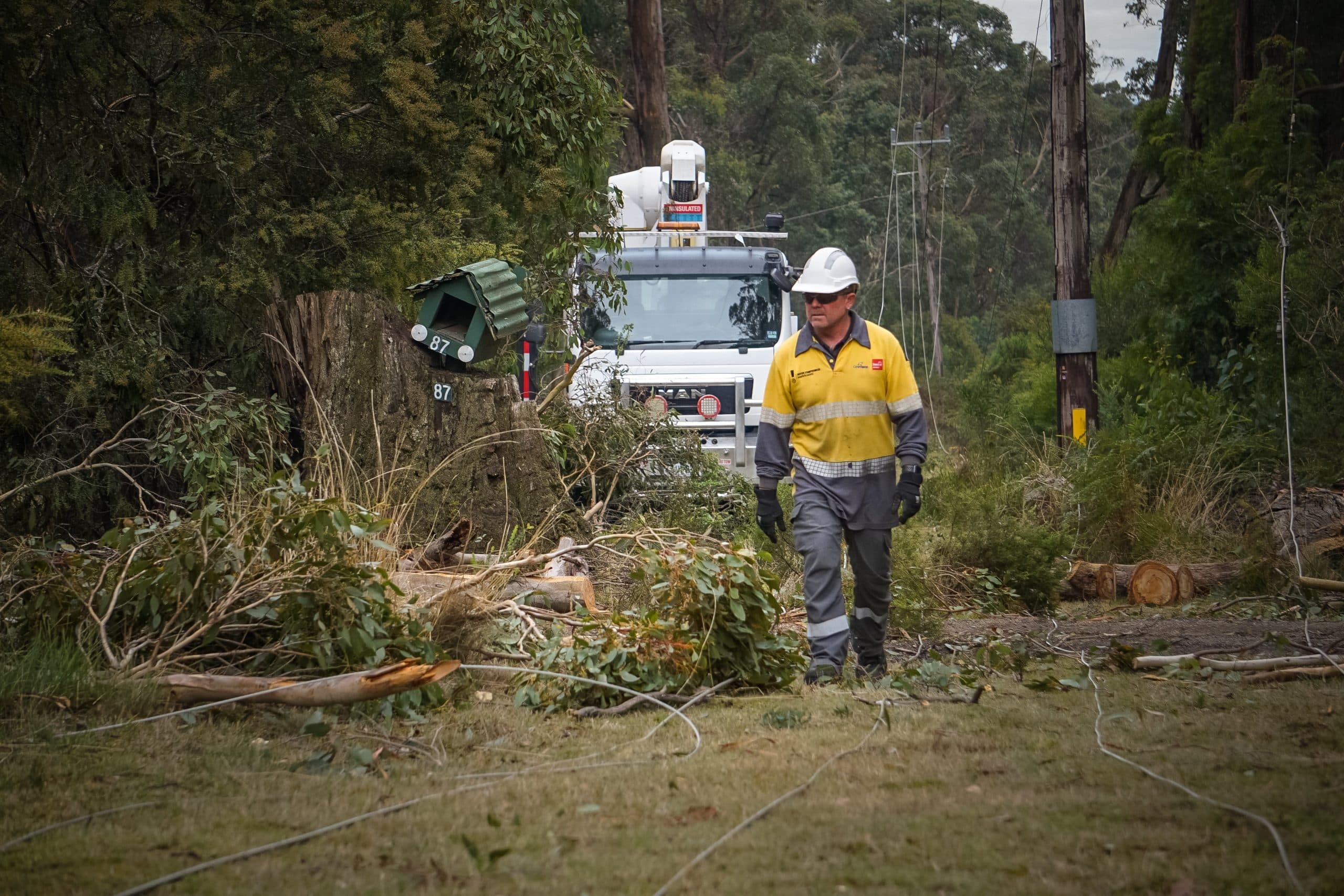


Extreme storms, floods, fires or high heat can damage the electricity network and affect power supplies. In case of emergency, planning for an unplanned power outage is essential.
It’s in these situations that we appreciate how essential power supplies are. Because a loss of power can affect your community’s internet connections, mobile phone towers, water supplies, traffic signals, and EFTPOS payments. In your home or building, it will affect how you live and work, particularly heating, cooling, refrigeration, cooking, lighting and elevators.
We monitor weather conditions closely and get ready for these types of events. When they occur, our people and equipment work hard to safely get the power back on for our customers as quickly as possible. You can act too by preparing for power outages as part of your emergency plan.
There are three important steps to being prepared:
- Be safe. Your health and safety is the priority.
- Be smart. If the power goes out, you’ll want to stay connected.
- Be ready. Have a plan in place for back-up power.
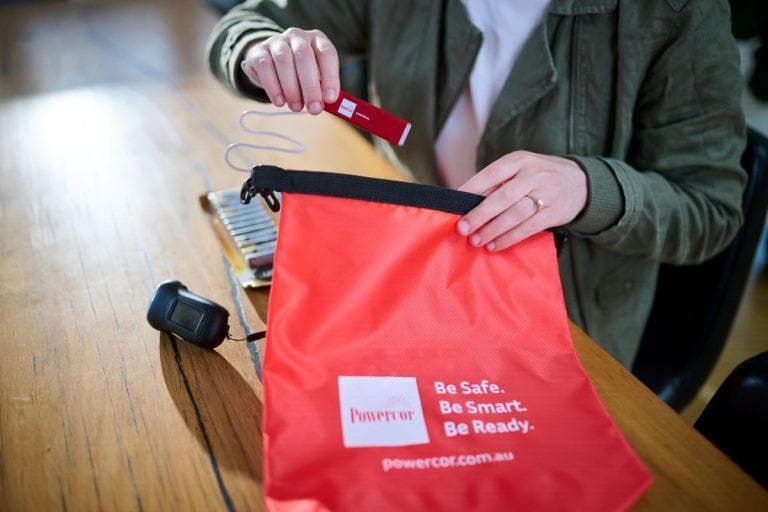
Be prepared with apower pack
Prepare a Power Pack with essentials like a torch, spare batteries and a fully charged power bank. Having these items ready and stored in a handy place means you can stay connected until power is restored.
How to prepare for power outages
Be safe.
- Have a back-up plan ready if you rely on life support equipment or need electrical items to care for babies, the disabled, elderly or pets.
- Plan to keep food safe. Set your fridge to 5 degrees (5°C) or below. An unopened fridge will keep food for about four hours.
- Have plenty of drinking water available if your supply relies on power.
Be smart.
- Know how to open electric garage doors and gates manually.
- Know how to connect computers and tablets to your mobile phone’s hotspot.
- Back-up computer files.
- Ensure you and your family are receiving outage notifications.
- Download the VicEmergency app (opens external site in a new window) and keep emergency phone numbers handy.
Be ready.
- Charge mobile phones, laptops and portable back-up batteries.
- If you have a rooftop solar system or a battery, check that it is able to operate in a power outage.
- If you plan to use a diesel generator, make sure it’s fully fuelled, operational and that you know how to safely operate it.
- Have a battery-powered radio available for real time news updates.
- Keep battery-powered lamps or torches handy.